mindset

The Psychology of Betting – Mindset, Risk, and Reward

As you consider placing a bet, your mindset plays a significant role in determining your approach. You weigh the potential risks and rewards, often driven by emotions and personal biases. Understanding your psychological motivations and behaviors is vital to making informed decisions. You will explore how your perceptions of risk and reward influence your betting habits, and how to develop a more balanced approach to achieve your goals.

Key Takeaways:

  • Understanding the psychological aspects of betting is necessary to making informed decisions, as emotions and cognitive biases can significantly influence betting behavior and outcomes.
  • Bettors’ mindsets play a significant role in their approach to risk and reward, with some individuals being more risk-averse and others more prone to taking bold bets in pursuit of higher rewards.
  • The concept of loss aversion can lead to impulsive decisions, as the pain of losing can outweigh the pleasure of winning, causing bettors to make rash choices in an attempt to recoup losses.
  • Developing a growth mindset and learning from past experiences can help bettors adapt to changing circumstances and improve their decision-making processes over time.
  • Effective risk management strategies, such as setting budgets and sticking to them, can help bettors navigate the complexities of risk and reward, minimizing potential downsides while maximizing potential upsides.

The Cognitive Framework of Betting

Before exploring into the psychology of betting, you need to understand the mental processes that drive your decisions. Your mindset plays a significant role in determining your betting behavior, and recognizing these factors can help you make more informed choices.

Rational vs. Emotional Decision Making

Across various betting scenarios, you’ll encounter situations where rational and emotional decision-making collide. You’ll need to weigh the odds, consider your budget, and manage your emotions to make smart betting choices.

Loss Aversion and Risk Perception

Before placing a bet, you consider the potential risks and rewards. You tend to fear losses more than you value gains, which can influence your betting decisions and lead to risk-averse behavior.

Loss aversion can significantly impact your betting strategy, as you may become more cautious and hesitant to take risks. You may also experience a stronger emotional response to losses than to equivalent gains, which can affect your overall betting experience and lead you to make suboptimal decisions. You should be aware of this bias and strive to balance your risk perception with a rational approach to betting.

Probability Assessment

It is vital to understand probability when betting, as it helps you make informed decisions. You need to assess the likelihood of an event occurring and weigh the potential risks and rewards. Your ability to accurately evaluate probability will significantly impact your betting outcomes.

Cognitive Biases in Betting

Beneath the surface of your betting decisions, biases can influence your choices. You may be prone to overconfidence or fall victim to the gambler’s fallacy, affecting your probability assessment. Being aware of these biases is vital to making rational decisions.

Statistical Thinking and Intuition

For you to make accurate probability assessments, you need to balance statistical thinking with intuition. You should consider the data and statistics, but also trust your instincts and experience. This balance will help you make more informed betting decisions.

At the heart of statistical thinking and intuition is the ability to analyze data and trust your instincts. As you continue to bet, you will develop your skills in assessing probability, and your intuition will become more refined. You will learn to recognize patterns and make more accurate predictions, ultimately improving your betting outcomes.

Reward Mechanisms

Unlike other activities, betting offers a unique reward system that can significantly impact your behavior and decision-making. As you engage in betting, you experience a rush of excitement and anticipation, which can activate your brain’s reward centers, releasing feel-good chemicals such as dopamine.

Dopamine Response and Betting Behavior

Receiving rewards can trigger a dopamine response, influencing your betting behavior and motivating you to continue betting in pursuit of more rewards. As you experience wins, your brain associates betting with positive outcomes, encouraging you to repeat the behavior.

Immediate vs. Delayed Gratification

On the surface, betting often provides immediate rewards, allowing you to experience the thrill of winning quickly. However, this can lead to impulsive decisions, as you prioritize short-term gains over long-term strategies.

With immediate rewards, you may find yourself chasing quick wins, rather than adopting a more patient approach. As you weigh your options, consider how your preference for immediate or delayed gratification affects your betting strategy, and whether you can balance the desire for quick rewards with a more sustainable approach to betting, tailored to your goals and risk tolerance.

Risk Management Psychology

To effectively manage risk, you need to understand your own psychological biases and limitations. This involves recognizing how your emotions and thoughts influence your betting decisions, and taking steps to mitigate their impact. By doing so, you can develop a more rational and informed approach to risk management.

Bankroll Management Mindset

Any successful bettor knows that managing your bankroll is crucial to long-term success. You must adopt a mindset that prioritizes responsible betting practices, setting limits on your spending and sticking to them, to avoid significant financial losses.

Setting Psychological Boundaries

An crucial aspect of risk management is setting boundaries for yourself. You should establish clear limits on your betting activity, including the amount you are willing to bet and the frequency of your bets, to maintain control over your actions.

Management of your psychological boundaries is key to avoiding common pitfalls such as chasing losses or getting caught up in the excitement of a winning streak. You can achieve this by taking regular breaks, reassessing your strategy, and seeking support from others when needed, allowing you to maintain a healthy and balanced approach to betting.

Social Influences

All around you, social influences can shape your betting behavior, affecting the way you perceive risk and reward. Your social environment plays a significant role in your betting decisions, and understanding these influences can help you make more informed choices.

Peer Pressure and Betting Decisions

Among the various social factors, peer pressure can significantly impact your betting decisions, as you may feel inclined to follow the crowd or seek validation from others. You need to be aware of how your social circle influences your betting behavior.

Cultural Impact on Risk Tolerance

Between cultural norms and personal values, there is a complex interplay that affects your risk tolerance. You should consider how your cultural background shapes your attitude towards risk and betting, as it can influence your decisions and overall betting experience.

Impact of cultural factors on your risk tolerance can be significant, as different cultures have unique attitudes towards risk and uncertainty. You will find that your cultural background influences your betting behavior, and being aware of these influences can help you develop a more effective betting strategy that aligns with your values and risk tolerance.

Control and Compulsion

Many individuals who engage in betting often experience a loss of control, leading to compulsive behavior. You can learn more about this phenomenon by reading The Psychology-Gambling Connection: How Hideous Carpets and Hormones Keep Us Betting, which explores the psychological factors driving this behavior.

Illusion of Control

Any attempt to exert control over betting outcomes can lead to an illusion of control, causing you to make riskier decisions. You may feel that your actions influence the outcome, when in fact, they do not.

Self-Regulation Strategies

At the heart of managing betting behavior lies self-regulation, which enables you to set limits and stick to them, helping you avoid compulsive behavior. You can develop strategies to monitor your betting habits and adjust them accordingly.

In addition, developing self-regulation strategies involves setting realistic goals, tracking your progress, and seeking support when needed. By doing so, you can gain a better understanding of your betting behavior and make more informed decisions, ultimately helping you maintain control over your actions and minimize the risk of compulsive betting.

Conclusion

As a reminder, your approach to betting is shaped by your mindset, risk tolerance, and perception of reward. You must understand your motivations and emotions to make informed decisions. By recognizing your psychological biases, you can develop a more rational and effective betting strategy, ultimately enhancing your overall experience and potential for success. You will be better equipped to manage risk and maximize your rewards.

FAQ

Q: What role does mindset play in the psychology of betting, and how can it impact my betting decisions?

A: Mindset plays a significant role in the psychology of betting, as it influences an individual’s perception of risk and reward. A positive mindset can lead to more informed and rational betting decisions, while a negative mindset can result in impulsive and emotional choices. For instance, a person with a growth mindset may be more likely to learn from their mistakes and adjust their strategy, whereas someone with a fixed mindset may become discouraged by losses and make reckless bets. By being aware of your mindset and its potential biases, you can develop strategies to manage your emotions and make more objective betting decisions.

Q: How do emotions, such as fear and greed, affect the psychology of betting, and what strategies can be used to manage them?

A: Emotions, such as fear and greed, can significantly impact the psychology of betting, often leading to suboptimal decisions. Fear can cause individuals to be overly cautious, missing out on potential opportunities, while greed can lead to reckless and impulsive bets. To manage these emotions, it’s necessary to develop emotional awareness and implement strategies such as setting clear goals, establishing a betting plan, and practicing self-discipline. Additionally, techniques like mindfulness and self-reflection can help individuals recognize and regulate their emotions, allowing them to make more rational and informed betting decisions.

Q: What is the relationship between risk and reward in the psychology of betting, and how can individuals find a balance between the two?

A: The relationship between risk and reward is a fundamental aspect of the psychology of betting, as individuals must weigh the potential benefits against the potential costs. A balanced approach involves understanding your personal risk tolerance, setting realistic goals, and developing a betting strategy that aligns with your risk-reward preferences. It’s also necessary to consider the concept of expected value, which can help individuals make informed decisions about the potential risks and rewards of a particular bet. By finding a balance between risk and reward, individuals can optimize their betting strategy and make more informed decisions that align with their goals and risk tolerance.

Cultivating a Winning Betting Mindset

As you navigate the world of betting, your mindset plays a significant role in determining your success. You will encounter wins and losses, and it’s how you respond to these outcomes that will shape your overall experience. By developing a winning mindset, you can make informed decisions, manage your emotions, and stay focused on your goals. You will learn to approach betting with a clear and level head, setting yourself up for long-term success and profitability. Your journey to a winning betting mindset starts here.

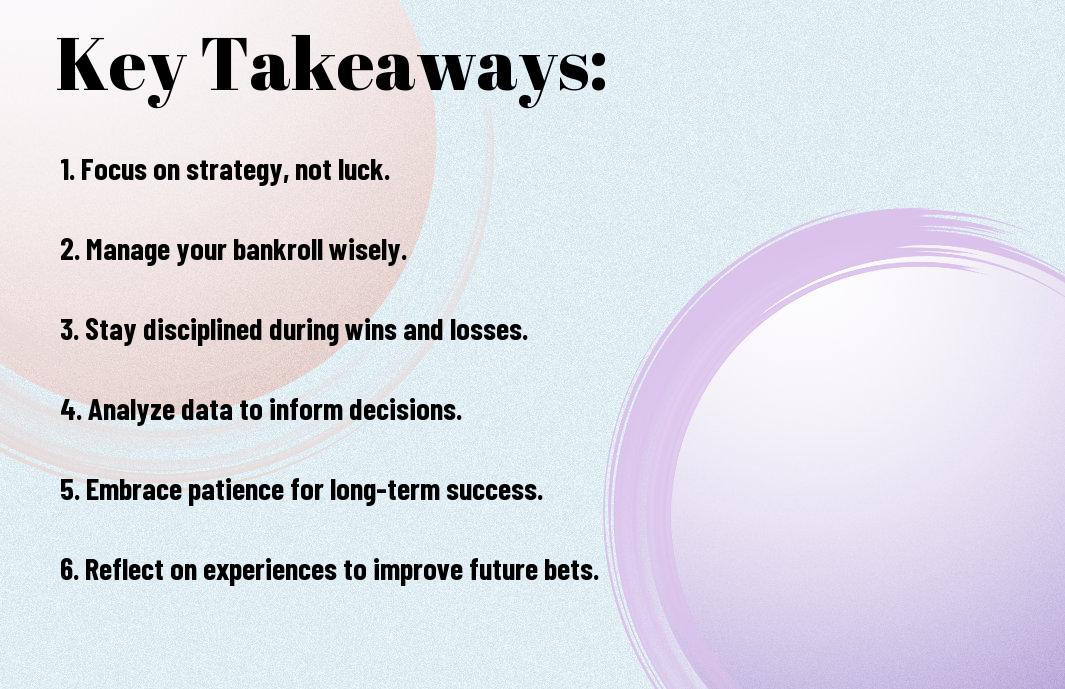
Key Takeaways:

  • Developing a winning betting mindset requires a combination of discipline, patience, and emotional control, allowing individuals to make informed decisions and avoid impulsive choices.
  • Setting clear goals and defining a betting strategy helps to establish a focused approach, enabling bettors to navigate the complexities of betting markets with confidence.
  • Embracing a growth mindset and being open to learning from mistakes is imperative for continuous improvement, as it allows bettors to refine their skills and adapt to changing circumstances.
  • Managing bankroll effectively is vital to maintaining a healthy betting habit, as it helps to mitigate risk and ensures that betting activities remain sustainable over time.
  • Cultivating a winning betting mindset also involves being aware of biases and emotions, such as fear and greed, and taking steps to mitigate their impact on decision-making, leading to more rational and informed betting choices.

Mental Preparation

The foundation of a winning betting mindset begins with mental preparation. You need to develop a strong and focused mindset to make informed decisions and stay ahead of the game. Your mental preparation will help you navigate the ups and downs of betting, ensuring you stay calm and composed under pressure.

Emotional Control

Above all, you must learn to manage your emotions when betting. You will experience highs and lows, but it’s crucial to maintain a level head and not let emotions cloud your judgment. Your ability to control your emotions will help you make rational decisions and avoid impulsive bets.

Goal Setting Strategies

Alongside a strong mindset, you need to set realistic goals for your betting activities. You should define what you want to achieve and set specific, measurable objectives. Your goals will help you stay motivated and focused, driving you to make progress and improve your betting skills.

Plus, as you work on your goal setting strategies, you will begin to notice improvements in your betting performance. You will be able to track your progress, identify areas for improvement, and adjust your approach accordingly. Your goals will serve as a roadmap, guiding you towards success and helping you develop a winning betting mindset that yields long-term results.

Risk Management

Some bettors overlook the importance of risk management, but you can learn from their mistakes by adopting a more informed approach, such as Changing Your Betting Mindset to prioritize responsible wagering.

Bankroll Planning

The key to successful risk management begins with allocating your bankroll effectively, ensuring you have enough funds to withstand losses and capitalize on winning streaks, allowing you to bet with confidence.

Calculated Decision Making

Calculated decisions are necessary in betting, as they enable you to weigh the risks and potential rewards of each wager, helping you make informed choices that align with your overall strategy.

But as you research deeper into calculated decision making, you’ll find that it’s not just about analyzing odds and probabilities, but also about understanding your own biases and emotions, and learning to separate them from your betting decisions, which will ultimately help you develop a more disciplined and successful approach to betting.

Data Analysis

Unlike other aspects of betting, data analysis requires a systematic approach. You will need to collect and interpret data to make informed decisions. Your goal is to identify trends and patterns that can help you make winning bets.

Statistical Thinking

Analyzing data is key to developing a winning betting mindset. You will need to understand statistical concepts and apply them to your betting strategy. Your ability to think statistically will help you make better decisions.

Pattern Recognition

Once you have analyzed the data, you will need to identify patterns. You will look for trends and correlations that can help you predict outcomes. Your pattern recognition skills will help you make more accurate bets.

To take your pattern recognition skills to the next level, you will need to practice and refine your approach. You will need to stay up-to-date with the latest data and trends, and be able to adjust your strategy accordingly. Your ability to recognize patterns will help you stay ahead of the game and make winning bets.

Discipline Development

All successful bettors understand the importance of discipline in their betting strategy. You need to develop self-control to make informed decisions and avoid impulsive choices that can lead to losses. By cultivating discipline, you can stick to your strategy and achieve your long-term goals.

Routine Building

One key aspect of discipline development is establishing a routine that works for you. You should set aside time to analyze your bets, track your progress, and adjust your strategy as needed. By building a consistent routine, you can stay focused and avoid making emotional decisions.

Long-term Perspective

At the heart of discipline development is adopting a long-term perspective. You should view your betting activities as a marathon, not a sprint, and be patient with your progress. By taking a long-term view, you can make more informed decisions and avoid getting caught up in short-term fluctuations.

Even when you encounter setbacks or losses, you should maintain your long-term perspective and stay committed to your strategy. You can learn from your mistakes and use them as opportunities to improve your approach, ultimately leading to greater success in the long run. By keeping your eyes on the prize, you can overcome obstacles and achieve your betting goals.

Psychology of Loss

Many bettors struggle with the emotional impact of losing, which can affect your betting decisions and overall mindset. You need to understand that losses are an inevitable part of the betting process and develop strategies to cope with them.

Handling Setbacks

By acknowledging your emotions and accepting losses as a natural part of betting, you can begin to develop a more resilient mindset. You will learn to manage your emotions and make more informed decisions, even in the face of adversity.

Recovery Methods

About the most effective ways to bounce back from a loss, you should focus on self-care and mental well-being. You can try techniques like meditation, exercise, or talking to a friend to help you regain your composure and confidence.

Methods such as taking a break from betting, reassessing your strategy, and seeking support from fellow bettors can help you recover from a losing streak. You can use this time to reflect on your decisions, identify areas for improvement, and develop a plan to get back on track, ensuring that you return to betting with a clear and focused mindset.

Success Habits

For a winning betting mindset, developing success habits is important. You need to focus on creating a routine that helps you stay disciplined and organized in your betting approach. This includes setting clear goals, managing your bankroll, and continuously learning from your experiences.

Record Keeping

Alongside your betting activities, accurately tracking your progress is vital. You can achieve this by maintaining a detailed record of your bets, including wins, losses, and stakes. This helps you identify patterns and areas for improvement, enabling you to refine your strategy and make more informed decisions.

Performance Review

Habitually assessing your performance is key to long-term success. You should regularly evaluate your betting results, analyzing what works and what doesn’t, to adjust your approach accordingly. This process helps you stay on track, build confidence, and develop a winning mindset.

Performance evaluation is an ongoing process that helps you understand your strengths and weaknesses. You can use this information to set realistic goals, identify areas for improvement, and develop strategies to overcome challenges. By regularly assessing your performance, you can refine your betting approach, make better decisions, and increase your chances of success. As you continue to evaluate and adjust your strategy, you will develop a deeper understanding of your betting style and the factors that influence your results, allowing you to make more informed decisions and achieve your goals.

Final Words

Upon reflecting on your betting journey, you will realize that cultivating a winning mindset is imperative to your success. You have learned to manage your emotions, set realistic goals, and develop a strategic approach. As you continue to bet, your mindset will evolve, and you will become more confident in your decisions. By maintaining a disciplined and informed approach, you will be well on your way to achieving your betting goals and enjoying a rewarding experience. Your winning mindset will be the key to your long-term success.

FAQ

Q: What is a winning betting mindset and how can I develop it?

A: A winning betting mindset is a mental approach that enables individuals to make informed, rational decisions when placing bets, minimizing the influence of emotions and biases. To develop this mindset, it’s vital to educate yourself on the fundamentals of betting, including odds, probabilities, and risk management. Practicing self-discipline, setting realistic goals, and learning from both successes and failures are also key components. By adopting a systematic and analytical approach, you can cultivate a winning betting mindset that helps you make more effective decisions.

Q: How can I manage my emotions to maintain a winning betting mindset?

A: Managing emotions is a vital aspect of maintaining a winning betting mindset. This involves recognizing and controlling feelings such as greed, fear, and frustration, which can lead to impulsive decisions. Techniques like taking breaks, setting budget limits, and avoiding chasing losses can help in emotional regulation. Additionally, focusing on the process rather than the outcome and celebrating small victories can aid in maintaining a positive and balanced mindset. By being aware of your emotional state and implementing strategies to manage it, you can make more rational betting decisions.

Q: What strategies can I use to continuously improve my betting mindset and adapt to changing circumstances?

A: To continuously improve your betting mindset and adapt to changing circumstances, it’s beneficial to stay informed about the latest trends and analysis in your chosen betting area. Regularly reviewing your betting history to identify patterns and areas for improvement can also provide valuable insights. Furthermore, being open to learning from others, whether through forums, blogs, or professional advice, can broaden your perspective and introduce new strategies. Staying flexible and willing to adjust your approach as needed is also important, as betting environments and your personal circumstances can change over time. By embracing a mindset of continuous learning and adaptation, you can refine your betting strategy and increase your chances of success.

Skip to content